


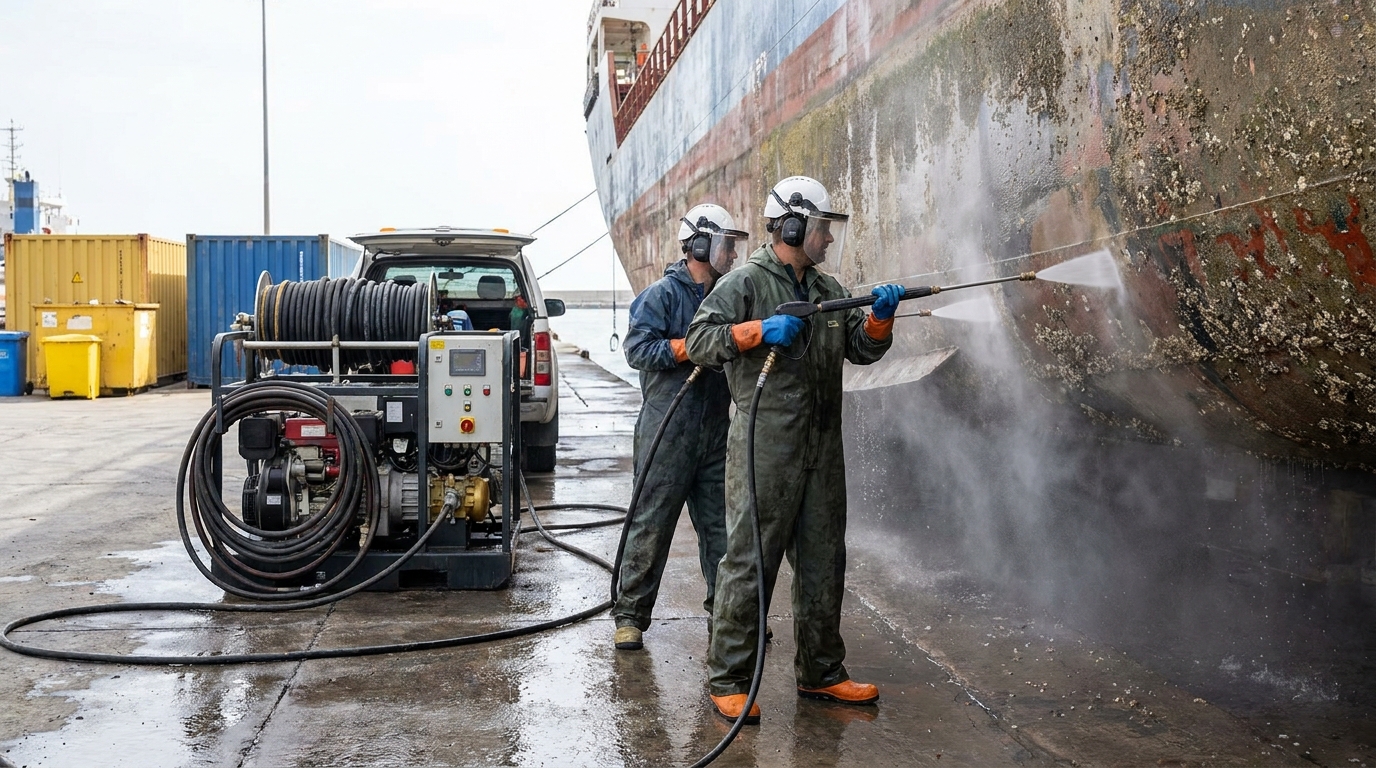
When navigating the complex landscape of industrial cleaning, how do you decide between hydroblasting vs sandblasting for your project needs?
Combijet designs and supplies high pressure water jetting systems and reverse osmosis units for demanding industries worldwide. Our equipment is engineered for performance, safety, and durability. We assess your needs, engineer reliable solutions, and ensure every unit meets strict quality standards. From delivery to after-sales support, we’re with you every step of the way. Combijet is a globally recognized manufacturer of high pressure water jetting equipment, ultra high pressure water blasting systems, and industrial reverse osmosis units. With years of experience and precision European engineering, our solutions are built to perform in the toughest industrial environments. From shipyards and oil refineries to power plants and heavy industry, our equipment is relied upon for cleaning, maintenance, and water treatment. At Combijet, we combine innovation, quality, and support to help our clients operate safely, efficiently, and without compromise.
This decision matters because selecting the appropriate cleaning method impacts not only efficiency but also the safety and longevity of the surfaces and equipment involved. In this article, you will evaluate the differences, assess risks, and confidently determine which solution is right for your business needs.
Understanding Hydroblasting and Sandblasting
When comparing hydroblasting vs sandblasting, it’s essential to grasp what each method entails:
- Hydroblasting: Utilizes high-pressure water to remove contaminants. Its precision reduces damage to surfaces, making it suitable for delicate materials.
- Sandblasting: Employs abrasive materials propelled at high speeds to clean surfaces. It is effective for heavy-duty applications but can be harsh on substrates.
The Main Differences
The fundamental distinctions between hydroblasting and sandblasting will guide your selection process:
Work Environment
Hydroblasting thrives in environments where water can be contained or collected, such as shipyards or industrial facilities. Sandblasting, however, often produces dust and debris, making it less ideal for enclosed or sensitive environments.
Surface Material Compatibility
Hydroblasting is generally safer for softer materials such as concrete or certain metals, while sandblasting may cause abrasions or damages to such surfaces due to its aggressive nature.
Environmental Impact
Choosing between hydroblasting vs sandblasting requires consideration of environmental regulations. Hydroblasting typically generates less waste and is more compliant with eco-friendly practices due to its reliance on water as the primary removal medium.
Complexity and Operator Skill
In evaluating hydroblasting vs sandblasting, it’s important to consider the complexity involved in each technique. Hydroblasting systems are often more technical, requiring trained operators to ensure effective application without damaging surfaces. On the other hand, while sandblasting operations can be simpler, they still demand skill to select the right abrasive material for the job.
Application Areas
Understanding where each technique excels will further assist your decision-making process:
- Hydroblasting: Ideal for cleaning intricate machinery parts, removing coatings without damaging substrates, or preparing surfaces for subsequent treatments.
- Sandblasting: Primarily used for heavy industrial equipment, refurbishing steel structures, or preparing surfaces for painting.
Cost Considerations
While we don’t discuss specific costs, it’s crucial to contemplate the indirect expenses associated with hydroblasting vs sandblasting. Hydroblasting may involve higher initial investments in equipment and training but can result in long-term savings by reducing damage to surfaces and prolonging equipment lifespan.
Risk Management
The risks associated with improper application of either method can lead to additional unforeseen costs. Hydroblasting typically poses fewer risks to the underlying substrate, as it is less abrasive. In contrast, sandblasting can cause surface damage if not executed by skilled operators, potentially leading to expensive repairs or rework.
Choosing the Right Approach for Your Project
In your evaluation of hydroblasting vs sandblasting, consider these key factors:
- Your Surface Material: Identify the composition of the material you are working with to select the method that protects it best.
- Project Scale: For large-scale projects, hydroblasting may offer better efficiency and effectiveness.
- Environmental Concerns: Understand any regulatory considerations and waste management practices that may affect your choice.
- Long-term Goals: If you seek a method that provides lasting results with minimal damage, hydroblasting may be the preferable choice.
Real-World Case Studies
Combijet has successfully implemented hydroblasting solutions in various industries, achieving exceptional outcomes:
- In the oil refinery sector, hydroblasting was used to clean intricate piping systems without damaging critical components.
- Shipyards have reported significant time savings and enhanced safety while utilizing hydroblasting for the maintenance of ship hulls.
- Power plants achieved compliance with environmental regulations through eco-friendly hydroblasting methods.
The Final Decision: Hydroblasting vs Sandblasting
Ultimately, the choice between hydroblasting vs sandblasting hinges on your specific needs, surface compatibility, and long-term objectives. By understanding the distinct advantages of each method, you position your business to make an informed decision.
At Combijet, we are dedicated to providing you with the best hydroblasting solutions tailored to your industrial requirements. Our team of experts is ready to assist you in evaluating the options and determining the right path for your project. Contact us today to get your quote and see how we can assist you by filling out the form or reaching out via email at info@combijet.com or by phone at +357 25 334 550.