

Ballast Tank Water Jetting – Efficient Cleaning Solutions Available

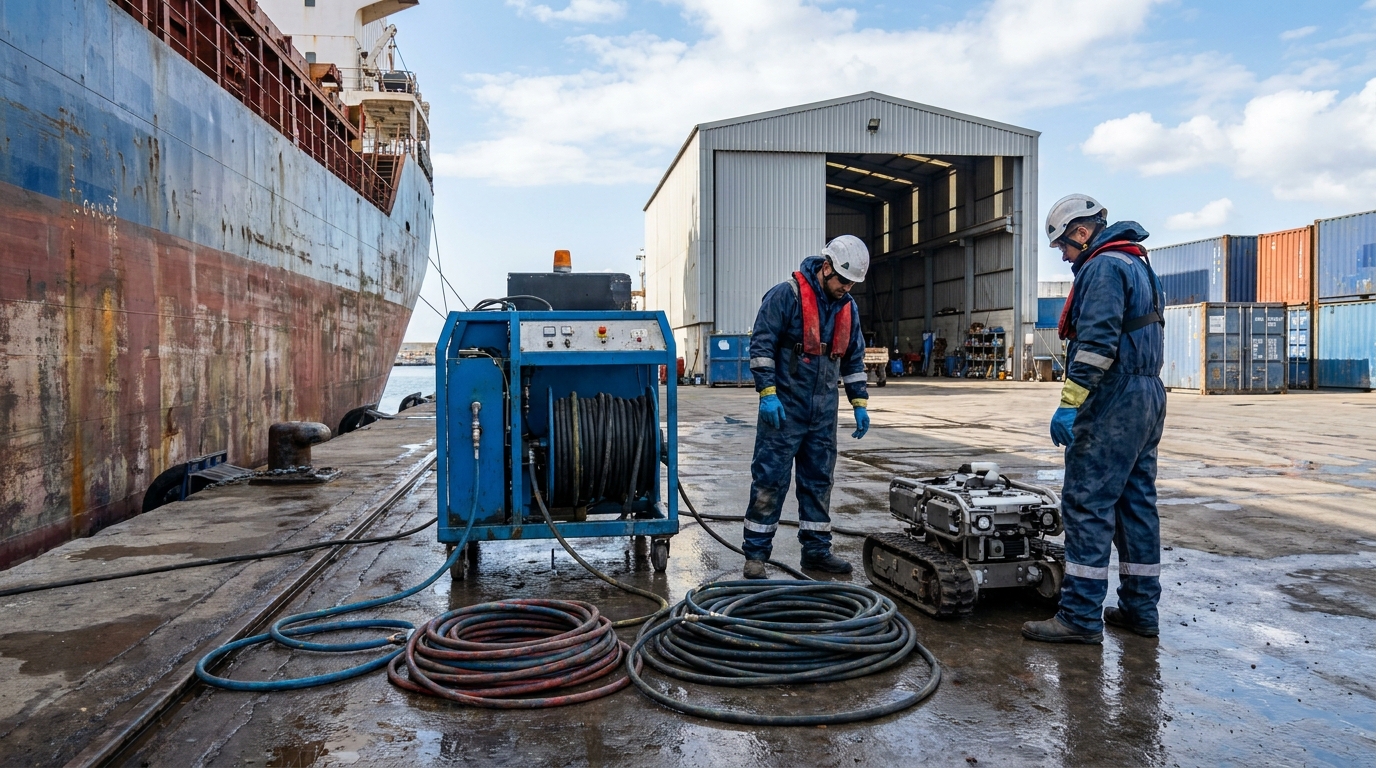
How can ballast tank water jetting serve as an efficient cleaning solution for your industrial needs?
Combijet designs and supplies high pressure water jetting systems and reverse osmosis units for demanding industries worldwide. Our equipment is engineered for performance, safety, and durability. We assess your needs, engineer reliable solutions, and ensure every unit meets strict quality standards. From delivery to after-sales support, we’re with you every step of the way. Combijet is a globally recognized manufacturer of high pressure water jetting equipment, ultra high pressure water blasting systems, and industrial reverse osmosis units. With years of experience and precision European engineering, our solutions are built to perform in the toughest industrial environments. From shipyards and oil refineries to power plants and heavy industry, our equipment is relied upon for cleaning, maintenance, and water treatment. At Combijet, we combine innovation, quality, and support to help our clients operate safely, efficiently, and without compromise.
This decision is critical for business owners as the effectiveness of ballast tank water jetting directly impacts operational efficiency, safety, and compliance. By making informed choices about your cleaning solutions, you can reduce risks, avoid costly downtime, and ensure the longevity of your vessels and equipment. This article will provide you with insightful evaluations, practical guidance, and best practices to confidently navigate your options.
Understanding Ballast Tank Water Jetting: Essential Overview
Ballast tank water jetting involves using high-pressure water jets to clean and maintain ballast tanks within ships and vessels. This process is not merely about cleanliness; it plays a crucial role in maintaining the structural integrity and safety of a ship. The buildup of sediments and marine growth can severely impact buoyancy and stability, leading to performance issues and increased operational costs. Thus, choosing the right approach to ballast tank water jetting is vital for ensuring safe operations.
Why Choose Water Jetting Over Traditional Cleaning Methods?
- Effectiveness: High-pressure water jetting removes stubborn residues and contaminants more efficiently than manual scrubbing or other conventional methods.
- Environmentally Friendly: Water jetting minimizes the need for harsh chemicals, making it a safer choice for environmental compliance.
- Safety: The automated nature of water jetting reduces the risks involved with manual cleaning, protecting employees from hazardous conditions.
- Time Efficiency: This method speeds up the cleaning process, allowing for quick turnaround times that can significantly reduce downtime.
Evaluating Your Ballast Tank Water Jetting Needs
Understanding your specific requirements for ballast tank water jetting is crucial for successful implementation. The scope of your cleaning needs will affect the choice of equipment, method, and service provider. Here are key aspects to consider:
1. Size and Condition of the Ballast Tanks
The size and structural condition of your ballast tanks will influence the type of high-pressure water jetting system you require. Inspect your tanks for damages and assess how extensive the cleaning needs to be. Thorough assessments can help you choose a system that effectively addresses all issues without compromising safety.
2. Type of Contaminants
Different contaminants may require specific cleaning approaches. For instance, if you’re dealing with heavy silt accumulation, high-pressure water jetting equipment with adjustable pressure settings will be essential to avoid damaging the tank while ensuring thorough cleaning.
3. Regulatory Compliance
Adhering to international maritime regulations regarding ballast water management is non-negotiable. As pollution regulations evolve, it’s essential to adopt ballast tank water jetting solutions that comply with these standards, thereby avoiding penalties and ensuring seamless operations across global waters.
Choosing the Right Equipment for Ballast Tank Water Jetting
Selecting high-quality equipment is paramount to achieving efficient cleaning results. Combijet’s high-pressure water jetting systems are engineered with precision, ensuring safety and durability, even in the toughest environments. Here’s what you should look for:
1. Customization Capabilities
Your ballast tank water jetting solution should be customizable to meet specific cleaning requirements. This includes adjustable pressure settings and nozzle attachments that cater to various tank conditions and sizes.
2. Advanced Features
Look for systems equipped with technological features such as remote control operation for enhanced safety, automated cleaning cycles, and monitoring systems that provide real-time data during operation.
3. Supplier Reliability
The importance of working with a trusted supplier cannot be overstated. Evaluate the manufacturer’s reputation for providing responsive customer support, equipment maintenance, and after-sales service. Combijet excels in these areas, ensuring clients receive unparalleled support throughout the lifecycle of the equipment.
Implementing a Ballast Tank Water Jetting Program
Once you’ve selected a provider and equipment, implementing a structured ballast tank water jetting program becomes critical. Consider these steps to ensure the program’s success:
1. Training Personnel
Before commencing operations, ensure your team is fully trained on the equipment and safety protocols. Comprehensive training reduces the risk of accidents and equipment damage, enhancing overall operational efficiency.
2. Scheduling Regular Maintenance
Establish a routine cleaning and maintenance schedule for your ballast tanks. Regular interventions prevent accumulation and deterioration, significantly extending the lifespan of both. High-pressure water jetting can also be integrated into preventive maintenance protocols, ensuring timely interventions.
3. Monitoring Outcomes
Implement performance monitoring systems to assess the effectiveness of your ballast tank water jetting program. Regular evaluations facilitate continuous improvement strategies and help identify areas that may need further attention.
Conclusion
In summary, effective ballast tank water jetting is critical for operational efficiency, safety, and compliance in the maritime industry. Understanding your specific needs, choosing reliable equipment, and implementing robust programs are essential steps toward achieving optimal results. Partnering with a seasoned provider like Combijet can enhance your operations, allowing you to focus on your core business while ensuring that your ballast tanks meet the highest standards of cleanliness and safety.
For tailored solutions and expert guidance on ballast tank water jetting, contact Combijet today. Reach out to us by filling out our form, or connect via email at info@combijet.com or phone at +357 25 334 550. Let us help you enhance your cleaning processes and ensure compliance sustainably and efficiently.